Where Representation Still Falls Short in Competitive Gaming
Professional esports rosters remain overwhelmingly male, white, and non-disabled. Women make up a fraction of players competing at the top level in titles like Valorant and League of Legends, and those who do compete often face hostile chat, harassment mid-match, and the quiet assumption that they don't belong.
LGBTQ+ competitors face similar pressures. Many choose not to be openly out during tournaments, citing toxic team environments and the fear that visibility could cost them opportunities.
Behind the scenes, the gaps are just as visible. Casting booths, coaching staffs, and event leadership roles rarely reflect the diversity of the audiences watching. Events like the Women in Leadership TFT Series have started pushing back against this, but they remain exceptions rather than the norm.
Players from minority backgrounds and disabled competitors face their own barriers, from inaccessible tournament venues to a near-total absence of role models at the elite level. Without visible representation, it's easy to see why many don't pursue competitive play seriously.
Why Visibility, Leadership, and Event Design Shape Inclusion
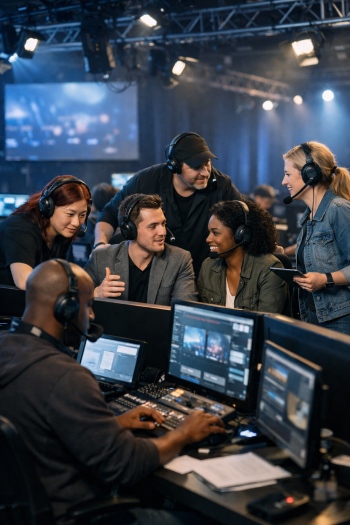
Player participation only tells part of the story. Who runs the events, calls the shots in broadcast booths, and moderates community spaces sends a louder signal about who actually belongs.
The TFT Series events have offered a telling example here. Women in leadership roles across those tournaments - as organizers and event directors - visibly shifted the culture around them. Newer competitors, particularly women entering ranked play, reported feeling more confident engaging with official channels when they saw familiar representation at the top.
Broadcast talent matters in the same way. Seeing diverse commentators and analysts on screen normalizes participation across backgrounds.
Event design itself carries weight too. Accessible formats, transparent reporting systems for harassment, and inclusive moderation policies aren't just administrative details. They tell attendees whether the space was built with them in mind. There's no denying that competitive gaming still has gaps here, but the direction of travel, at least in some circuits, is improving.
What Organizations, Teams, and Communities Can Do Next
Lasting change rarely happens by accident. Publishers, tournament organizers, and sponsors all need to move beyond symbolic gestures and commit to structural shifts that actually stick.
Codes of conduct are a reasonable starting point, but only when paired with real reporting mechanisms. Anonymous reporting tools and third-party review processes make it safer for players from marginalized groups to flag harassment without fear of retaliation.
Recruitment pipelines deserve serious attention too. Teams that only scout through existing networks tend to reproduce the same demographics. Broadening outreach to historically Black colleges, women-focused gaming clubs, and community Discord servers can surface talent that would otherwise go unnoticed.
Grassroots tournament funding matters enormously here. Events like the Women in Leadership TFT Series show what targeted investment can produce: competitive spaces where underrepresented players get real visibility.
Mentorship programs, measurable diversity benchmarks, and consistent follow-through from sponsors are what separate genuine progress from a one-off campaign. Someone has to keep score.
Better Representation Builds Stronger Competitive Gaming
One can't deny that the competitive gaming scene is only as good as the range of individuals who feel they belong in it. When women are shown to be organizing tournaments - something as shown by initiatives like the Women in Leadership TFT Series events - and when ethnic minority players begin to see themselves reflected at the highest level, an entire ecosystem wins credibility that cannot be gained solely through marketing. Fairer pathways, visible role models, and systems that are not heavily biased contribute to set the stage for an environment upon which looks lead to an ascension, while talent, not background, is what makes one excel. It might be contended that this change is slow, but it's happening. The progress on competitive gaming relies on the trivial decisions made on a daily basis: who is hired, who is represented before an audience, who is invited to compete. These decisions, if kept up, mold who stays and who opts to leave abruptly.
I think it's kind of depressing that the very top selling Real Time Strategy games of all time are still Age of Empires 2 (1999) and StarCraft (1998).
— Sandy Petersen 🪔 (@SandyofCthulhu) December 1, 2025
Has there been no huge improvements in real time strategy in 26 years? pic.twitter.com/lllV9zcBSU