Why Mid-Season Events Accelerate Meta Shifts
The meta - shorthand for the most effective tactics available - doesn't shift on a fixed schedule. It shifts when pressure forces adaptation, and nothing applies that pressure faster than a mid-season tournament.
Regular ranked play is slow to converge. Players experiment, lose, and quietly shelve strategies. High-level events work differently. When 16 elite teams spend three days running the same aggressive three-man dive composition through a double-elimination bracket, the rest of the player base watches every match live on stream. By Sunday night, that composition isn't niche anymore.
Balance patches released weeks before an event often sit dormant in ranked queues until pros stress-test them under elimination conditions. At the 2024 Valorant Champions Tour mid-season stage, Astra's reworked smokes went from fringe pick to first-ban priority within 48 hours of the group stage ending - not because the patch was new, but because the broadcast made the threat visible.
Elimination formats also punish experimentation. Teams default to proven, efficient strategies, which means whatever wins gets copied immediately.
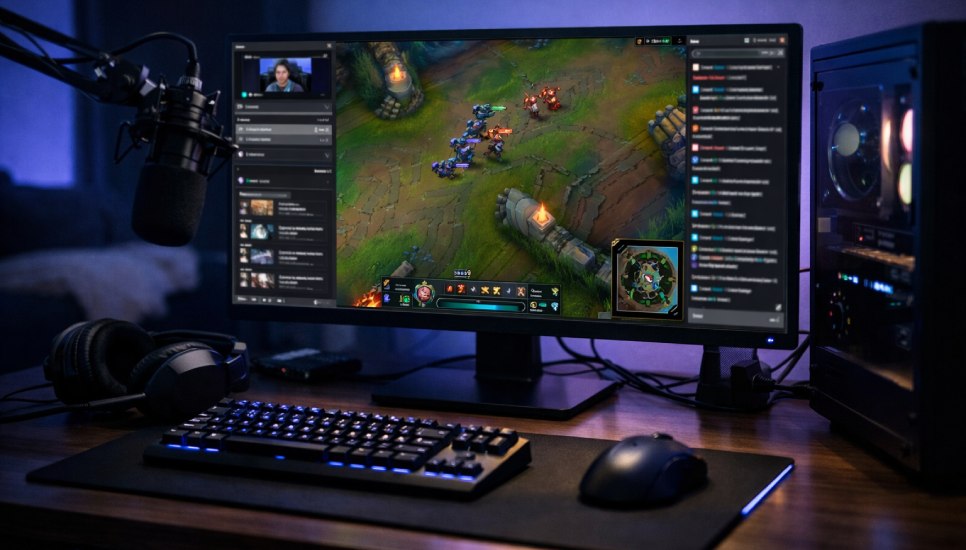
How Tournament Trends Spread to Ranked and Amateur Play
Analysts clip the highlight, a content creator posts the breakdown, and within 72 hours a strategy played once in a best-of-five is flooding solo queue. That pipeline is fast, and it mostly skips the part where someone explains the conditions that made it work.
Pro teams run coordination-heavy compositions because they have weeks of scrim time, voice comms, and pre-agreed rotations. Ranked players copy the roster, skip the infrastructure, and wonder why it collapses at the first contested objective. Timing-dependent strategies suffer the same fate.
What does translate cleanly tends to be simpler at its core: strong utility picks that generate value passively, objective setups that reward individual decision-making, and macro habits like wave management or vision control that don't require a five-person agreement to execute.
Signs a tournament trend is a real meta shift rather than an event-specific gimmick:
- It appears across multiple teams, not one roster's signature read.
- Patch notes haven't changed the numbers that made it viable.
- Players with different playstyles are running it successfully.
- It holds win rate in solo queue after two full weeks of adoption.
Adapting Faster Than Opponents Is the Real Edge
Excessive side-taking by a group is scary. Then the government needs to focus all its energies and resources in controlling and extinguishing the fire. If there are two opposing sides that are always fighting, then the government itself is divided across once piece.
A simple framework keeps your review structured:
- Watch for picks and bans that cluster across different teams and regions.
- Note the win condition each strategy is built around - is it early map control, scaling, or forcing picks?
- Compare those win conditions against current patch numbers. Buffs to skirmish damage, for example, will make dive compositions more viable.
- Adjust one element of your play at a time.
The Meta Rewards Players Who Learn in Motion
Preferably championship events expose what styles of play endure under the heat of the moment. Mid-season events act as this proving grounds, rendering builds that thrive in solo queue, tested against concentrated enemy teams, and ultimately shattered. What is then left from such an extreme level is engendered as the core meta in the subsequent days. Have in mind that patch notes do set the scaffolding, but how this framework stands on the real tournament stage convinces on the reality of the game.
Players who show rapid growth from Major events may not always be players who have the highest mechanical skills; they tend to be the ones who observe carefully, review games, and pose possible questions. Which team compositions worked the best? Who were the so-called safe picks that disappeared when they counted the most? Making quick adjustments to such insights naturally acts as an advantage. For every tournament played, approach it as a source of potential information and find yourself sitting ahead of all the people who just go for execution and not really bother to think about adapting to their approach.
I think it's kind of depressing that the very top selling Real Time Strategy games of all time are still Age of Empires 2 (1999) and StarCraft (1998).
— Sandy Petersen 🪔 (@SandyofCthulhu) December 1, 2025
Has there been no huge improvements in real time strategy in 26 years? pic.twitter.com/lllV9zcBSU